


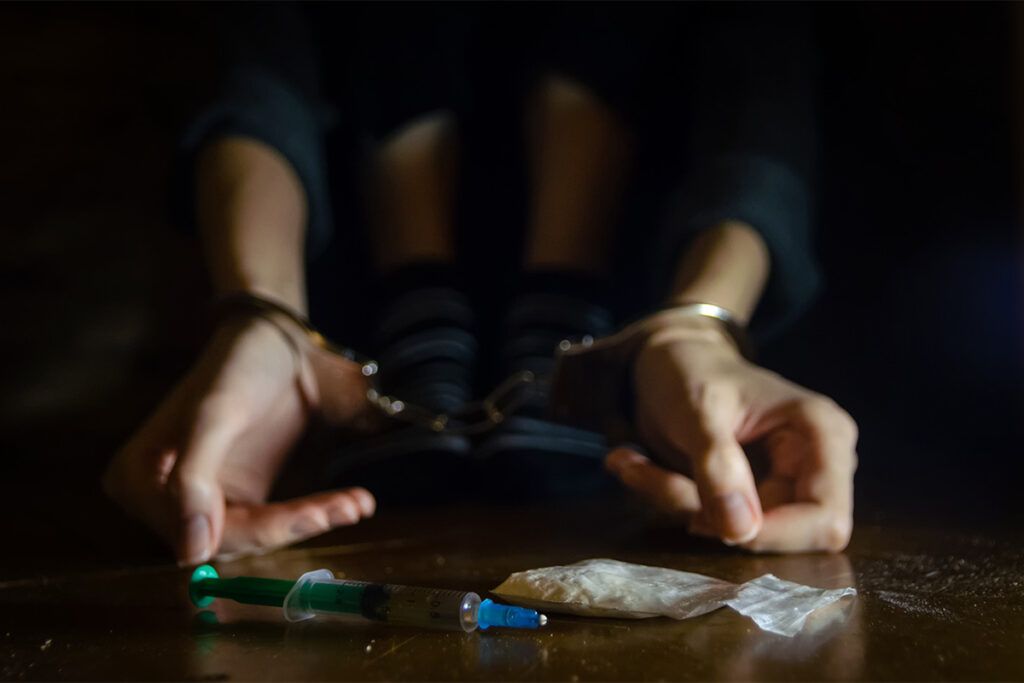
Understanding Drug Charges and Sentencing in Pennsylvania
Navigating the legal landscape of drug charges in Pennsylvania can be daunting, especially given the complexities involved in sentencing. The penalties for drug offenses vary significantly based on the type of drug and quantity and the defendant’s prior criminal record. Understanding these factors is crucial for anyone facing such charges. At The Law Office of Corey J. Riddell in Ligonier, PA, we offer expert legal guidance to help you navigate these challenges.
Types of Drug Charges
In Pennsylvania, drug charges can range from simple possession to more serious offenses like distribution and trafficking. Simple possession typically involves smaller amounts intended for personal use, while distribution and trafficking charges relate to larger quantities and the intent to sell or distribute the drugs. The severity of the charge significantly impacts the potential penalties, with more serious offenses carrying harsher sentences.
Impact of the Type of Drug
The type of drug involved in the offense plays a critical role in determining the severity of the charges and subsequent sentencing. Pennsylvania law categorizes controlled substances into schedules based on their potential for abuse and medical value. Schedule I drugs, such as heroin and LSD, are considered the most dangerous and carry the harshest penalties. Conversely, Schedule V drugs, which have a lower potential for abuse, result in less severe punishments. It is important to note that marijuana, unless approved for medical use, also results in legal consequences, though the penalties may be less severe compared to other Schedule I substances.
The Role of Prior Criminal Record
A defendant’s prior criminal record is a significant factor in sentencing for drug offenses. Individuals with previous convictions, especially for similar offenses, face harsher penalties under Pennsylvania’s sentencing guidelines. Repeat offenders normally are subject to mandatory minimum sentences, which can lead to longer prison terms and higher fines. First-time offenders may be eligible for alternative sentencing options, such as probation or participation in drug treatment programs.
Sentencing Guidelines
Pennsylvania’s sentencing guidelines provide a framework for judges to determine appropriate penalties for drug offenses. These guidelines consider the type and quantity of the drug, the defendant’s prior record, and other relevant factors. Judges have some discretion within these guidelines, but they must adhere to mandatory minimum sentences for certain offenses. Understanding these guidelines can help defendants and their legal representatives prepare for sentencing and explore potential mitigating factors.
For more information, call The Law Office of Corey J. Riddell at (724) 238-7296. We are ready to discuss the consequences associated with drug charges.